Sobieski Monument in Vienna. All-Polish Youth stands up for the king
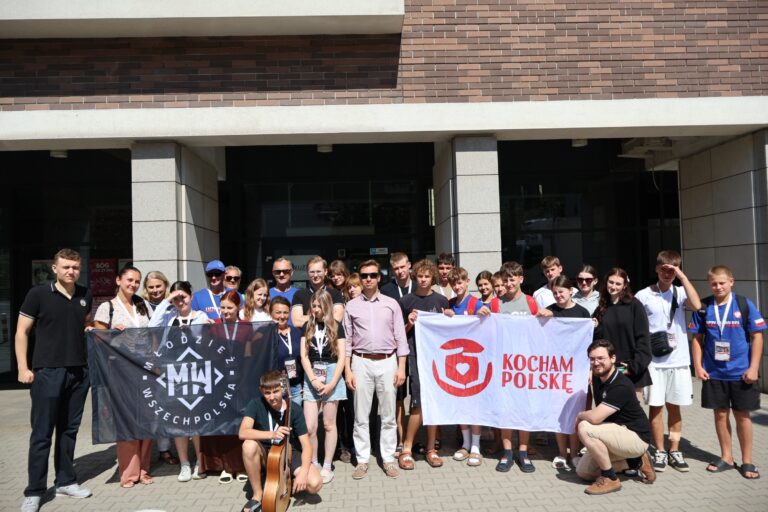
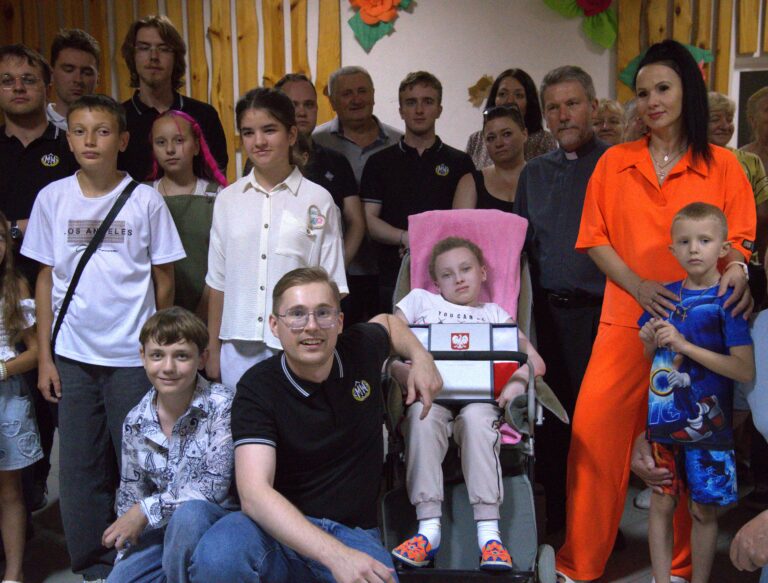
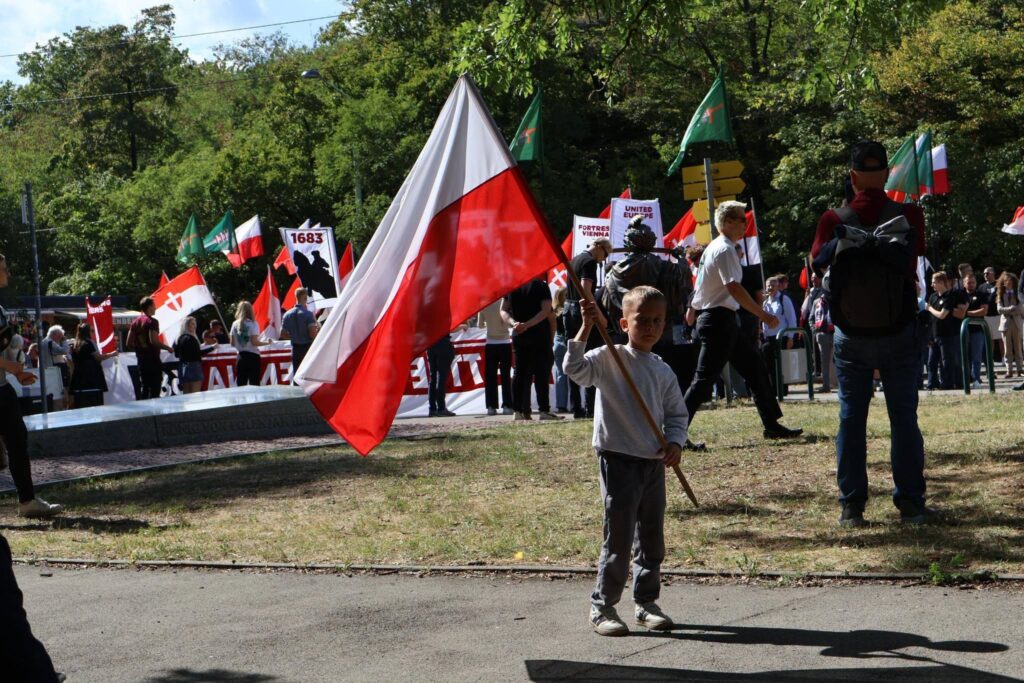
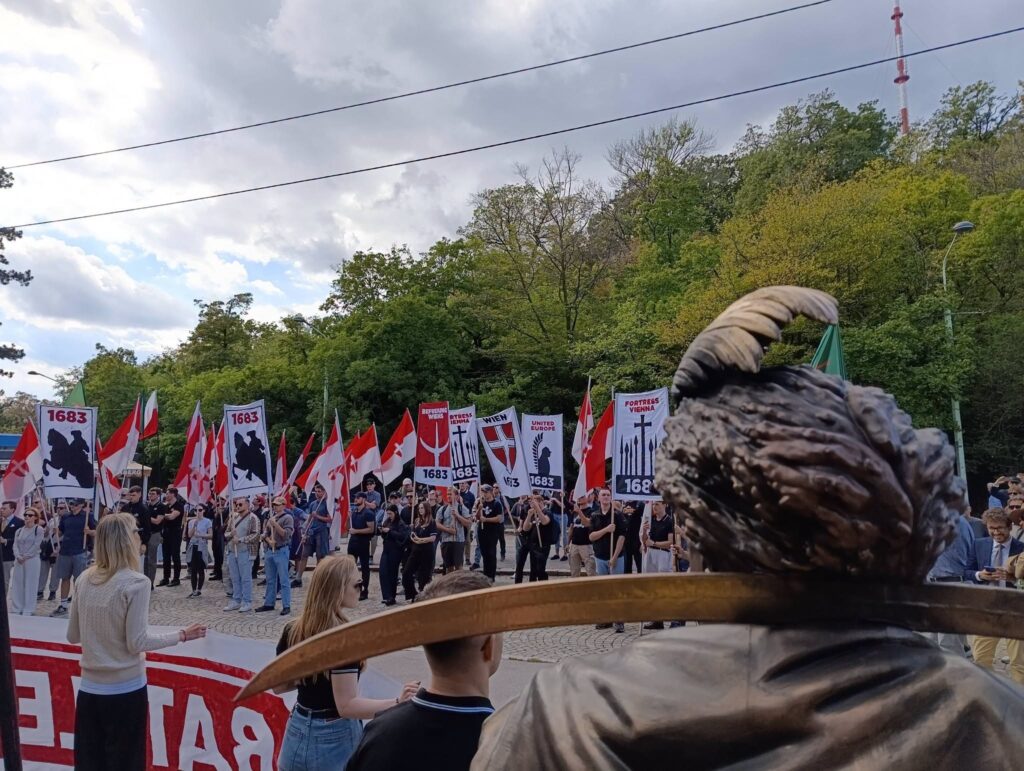
A symbolic Sobieski monument on the Kahlenberg was erected on the initiative of All-Polish Youth and Austrian activists of the identitarian movement. The action accompanied the celebrations of the 343rd anniversary of the Relief of Vienna. Its participants demand the realisation of a monument to the Polish king who led the allied forces to victory over the army of the Ottoman Empire.
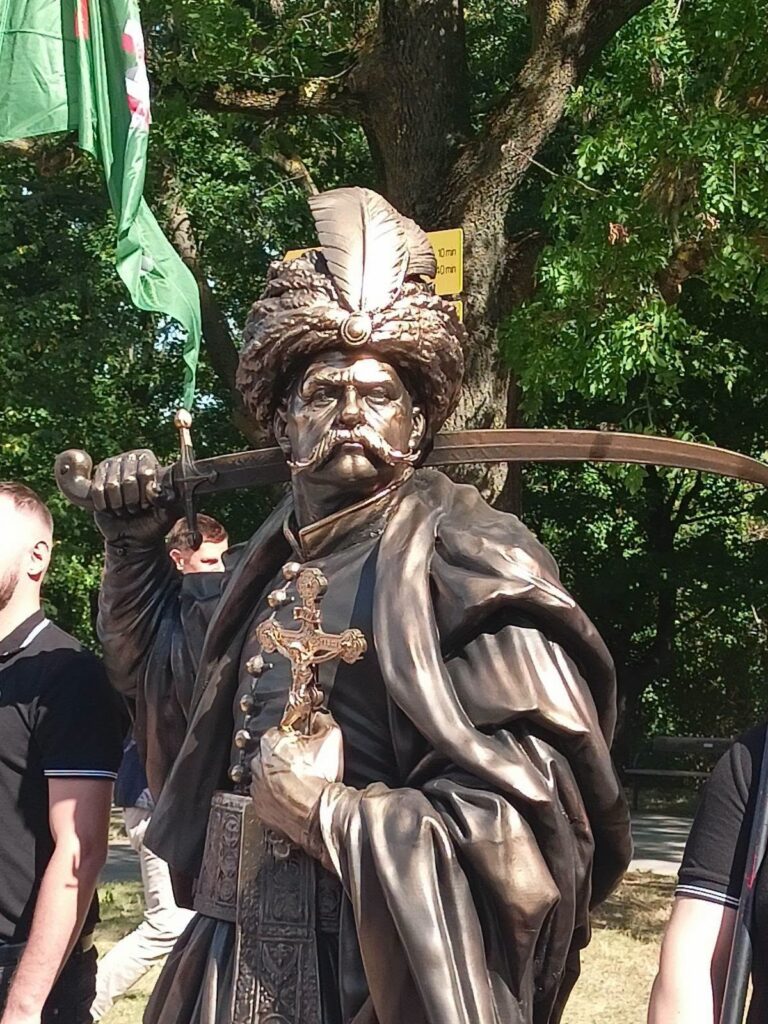
Sobieski symbolically returned to the Kahlenberg
“Sobieski has returned to the Viennese Kahlenberg!” – announced All-Polish Youth in a report from the event. As the organisation informed, on 12 September 2026 its activists brought to Vienna a symbolic monument of John III Sobieski, made by sculptor Eliasz Dyrow. They set it up on the Kahlenberg during the ceremonies they co-organised with Austrian identitarians on the occasion of the 343rd anniversary of the Relief of Vienna.
The participants paid tribute to the victorious king and the troops fighting under his command. At the same time they recalled the many years of efforts to erect the final monument. The symbolic monument became a clear appeal to the Viennese authorities to break the deadlock and worthily commemorate the Polish monarch.
All-Polish Youth announces that it will continue actions using the sculpture until the demand for the construction of the monument is fulfilled. The organisers emphasise that Poles have reasons to be proud of Sobieski and of the Commonwealth, which in 1683 co-decided the course of European history.
This initiative deserves recognition. It shows that the young generation is capable of consistently striving for historical memory also beyond the country’s borders. The joint involvement of Poles and Austrians at the same time recalls that the heritage of the Relief of Vienna connects the history of both nations and deserves to be passed on to successive generations.
The monument to which Vienna still denies a place
Efforts to build a monument to John III Sobieski on the Kahlenberg began in 2013 with a civic initiative for its erection. Thanks to the support of Polish donors a monument by Prof. Czesław Dźwigaj was created, which was to be unveiled in 2018 on the anniversary of the Relief of Vienna. The monument was meant to pay tribute to the Polish king and the troops he commanded, recalling their merits in the victory over the Ottoman army. Despite the completion of the sculpture and the many years of efforts by the initiators, it has not been placed in the designated location, and its erection on the Kahlenberg has become the subject of public dispute.
In September 2024 the Embassy of the Republic of Poland in Vienna spoke out. It recalled that the victory of 1683 belongs among the most important events in the history of Europe, therefore its worthy commemoration should matter not only to Poles. It also expressed the hope that the relevant authorities would take action in cooperation with all interested parties.
However, already in November 2024 the Viennese authorities rejected the possibility of erecting the monument. The person responsible for culture, Veronica Kaup-Hasler, explained this decision by fears that the monument could be used to fuel hostility towards foreigners, Islam and Turks. The city also invoked the recommendations of researchers who advised against erecting a monument glorifying a hero and pointed to the risk of political exploitation of anniversary celebrations.
The Relief of Vienna is a reason for pride
On 12 September 1683 under the walls of Vienna the allied forces under the command of John III Sobieski defeated the Ottoman army, ending the siege of the city that had lasted about two months. The victory was decided by a powerful charge of the allied cavalry, in which the Polish hussars played a special role. It was a triumph of the king’s command skill, the courage of the soldiers and the cooperation of the allies, and at the same time an event that influenced the further fate of Europe.
After the battle Sobieski conveyed to the Pope the famous words: “Venimus, vidimus, Deus vicit” – “We came, we saw, God conquered”. For successive generations of Poles the Relief of Vienna became a symbol of the strength of the Commonwealth, which was able to stand in defence of its allies and co-decide the course of European history.
The memory of this victory must not be reduced to a museum curiosity. It is part of our heritage and recalls the importance of courage, responsibility and readiness to defend one’s own community. Europe has the right to cultivate its identity and Christian roots, and respect for the people who co-created its history should also find expression in public space.
Therefore a worthy commemoration of John III Sobieski would be an expression of gratitude towards the king and the soldiers who under his command came to the relief of Vienna. The many years of efforts for the monument should finally bring a concrete result. The merits of the Polish monarch deserve more than successive empty declarations.
A symbolic gesture and an appeal for support
The setting up of the symbolic monument is an appeal to break the many-year deadlock and take concrete actions for the lasting commemoration of John III Sobieski. All-Polish Youth also encourages SUPPORT FOR THE FUNDRAISER for the erection of the monument.
It is worth supporting these efforts and publicising the matter so that the demand for the construction of the monument is fulfilled. Sobieski’s merits have been permanently written into the history of Poland, Vienna and the whole of Europe. Thanks to the involvement of people who consistently stand up for the place due to him in public space, the memory of the Polish king remains alive and reaches successive generations.
Therefore we encourage you to donate as much as you can. Share the fundraiser with friends. Be part of this history.
We thank you from the bottom of our hearts for every donation. Glory to the victors of Vienna!